St. Patrick’s Day Shamrock Cookies: A Tropical Delight
Introduction to St. Patrick’s Day Shamrock Cookies
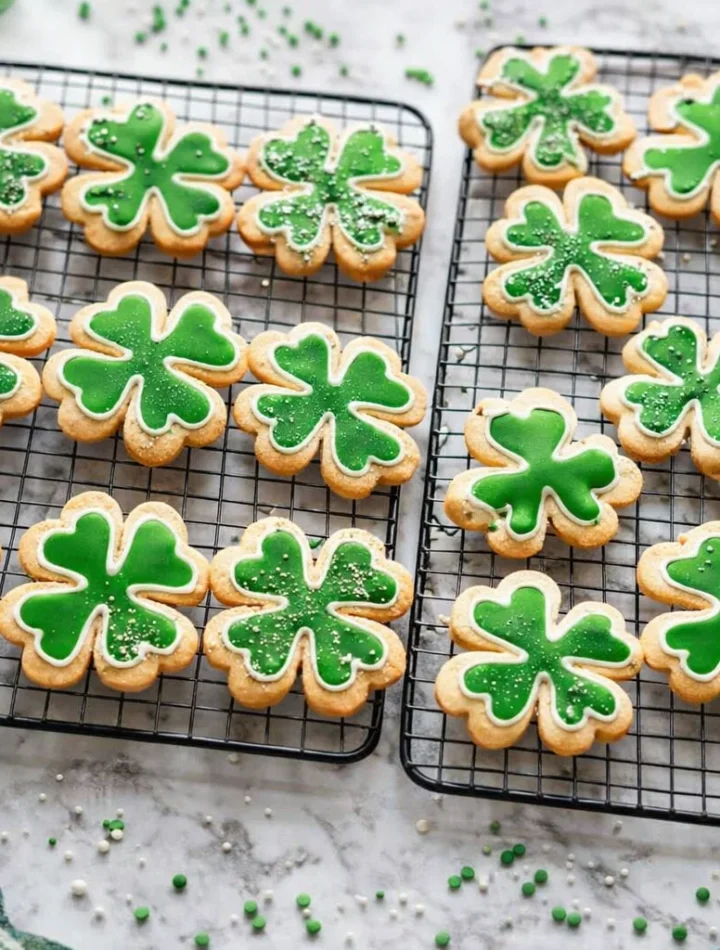
As St. Patrick’s Day approaches, what better way to celebrate than with delightful cookies that embody the spirit of the holiday? These St. Patrick’s Day Shamrock Cookies not only look festive, but they are also simple to prepare, making them an excellent choice for both novice and experienced bakers. These charming green treats are perfect for family gatherings, potlucks, or as sweet surprises for school events.
What makes these cookies extraordinary is their versatility. They can easily be made healthier, accommodating various dietary preferences, from gluten-free to vegan options. Made with wholesome ingredients like almond flour, coconut oil, and natural sweeteners, they deliver flavor without compromising nutritional value. Plus, the use of vibrant green food coloring or pureed spinach lends the traditional shamrock shape an enticing color, making them visually appealing and perfect for the occasion.
In just a few simple steps, you can create these festive shamrock cookies that are not only fun to decorate but offer a delightful taste. Let’s explore the many benefits, ingredients, and easy steps to create your own batch of this festive treat that will leave you and your loved ones craving more.
Benefits and Advantages of St. Patrick’s Day Shamrock Cookies
Creating St. Patrick’s Day Shamrock Cookies brings significant advantages beyond just their festive appearance. One of the most appealing aspects of this recipe is its ease of preparation. This means busy parents or novice bakers can confidently whip up a batch without stress. The recipe incorporates straightforward techniques that allow for a seamless baking experience, ensuring delicious results every time.
Additionally, these cookies can be tailored to cater to various dietary concerns. For those looking for healthier options, the recipe includes alternatives to traditional flour and sugar, such as almond flour and honey, which provide lower glycemic index options for diet-conscious individuals. By utilizing natural ingredients, these shamrock cookies can fit into a range of dietary lifestyles, from gluten-free to paleo, making them a versatile treat that everyone can enjoy.
Furthermore, the visual appeal of these shamrock cookies is a standout feature. The fun shape and vibrant green color not only make them ideal for celebrations but also encourage children to join in the fun of baking and decorating, promoting family bonding and creativity. Overall, the combination of simplicity, health benefits, and adaptability makes St. Patrick’s Day Shamrock Cookies a beloved recipe worth trying.
Ingredients Overview
Essential Ingredients for St. Patrick’s Day Shamrock Cookies
Creating your own St. Patrick’s Day Shamrock Cookies requires some key ingredients that contribute to both their flavor and nutrition. Below is a list of the essentials you need, along with the purpose of each ingredient:
- 1 ½ cups almond flour (gluten-free alternative)
-
This nut-based flour is a fabulous choice for a low-carb, gluten-free cookie that still holds together beautifully.
-
¼ cup coconut oil (healthy fat)
-
Offering beneficial fats, coconut oil not only enhances flavor but also keeps the cookies moist.
-
1/3 cup honey or maple syrup (natural sweetener)
-
These sweeteners provide an excellent alternative to refined sugar, adding a hint of natural sweetness without the glycemic spike.
-
1 large egg (binding agent)
-
The egg helps bind the ingredients while adding protein, making the cookies richer.
-
½ tsp baking soda (leavening agent)
-
This ingredient aids in providing the fluffy texture we’re looking for in baked goods.
-
½ tsp vanilla extract (flavor enhancer)
-
Extract adds depth to the flavor profile, making the cookies irresistible.
-
Pinch of salt (enhancer)
-
Salt brings out the sweetness and balances flavors.
-
Green food coloring or spinach puree (coloring)
- For a green hue, use food coloring or pureed spinach to keep things festive, making these cookies perfect for St. Patrick’s Day!
Dietary Substitutions to Customize Your St. Patrick’s Day Shamrock Cookies
-
Egg Replacement: If you’re looking to make vegan shamrock cookies, substitute the egg with a flaxseed meal. To do this, mix one tablespoon of ground flaxseed with three tablespoons of water and let it sit for about five minutes until it thickens.
-
Sweeteners: Instead of honey, consider using agave nectar or a sugar-free sweetener for a low-calorie option.
-
Flour Alternatives: While almond flour provides a wonderful texture, you can also try coconut flour or a gluten-free all-purpose flour blend to fit your dietary needs.
-
Additional Flavorings: To spice things up, add lime or mint extract for an extra festive twist.
These substitutions allow you to customize your cookies according to personal preferences and dietary restrictions without compromising the delightful taste of these shamrock treats.
How to Prepare the Perfect St. Patrick’s Day Shamrock Cookies: Step-by-Step Guide
Ready to bake some delightful shamrock cookies? Follow these easy steps for a batch full of flavor:
-
Prepare the Base: Preheat your oven to 350°F (175°C) and line a baking sheet with parchment paper. This will prevent the cookies from sticking.
-
Mix Dry Ingredients: In a large bowl, whisk together the almond flour, baking soda, and salt until well combined. This ensures even distribution of the leavening agent.
-
Combine Wet Ingredients: In another bowl, mix the coconut oil (melted), honey (or chosen sweetener), egg (or flaxseed mixture for vegan), and vanilla extract. Whisk until creamy and fully blended.
-
Combine Mixtures: Gradually add the wet ingredients to the dry mixture. Stir until a dough forms. If you’re using food coloring, incorporate it at this stage, ensuring it’s evenly distributed throughout the dough.
-
Chill the Dough: Optional, but recommended – place the dough in the refrigerator for about 30 minutes. Chilling the dough makes it easier to roll out and helps the cookies hold their shape.
-
Shape the Cookies: Once the dough is chilled, scoop out tablespoons of the mixture and form them into small balls. Place them on the prepared baking sheet, leaving some space between each cookie. Use a shamrock-shaped cookie cutter to create festive shapes.
-
Bake the Cookies: Bake in your preheated oven for 10-12 minutes or until the edges are slightly golden. Keep an eye on them to prevent over-baking.
-
Cool Down: After baking, let the cookies cool on the sheet for about 5 minutes before transferring them to a wire rack to cool completely. This step prevents them from breaking apart.
-
Decorate (Optional): You can decorate your shamrock cookies with green icing, or sprinkle them with powdered sugar for an added festive touch.
-
Enjoy!: These delightful cookies are ready to be enjoyed, whether you’re celebrating St. Patrick’s Day or simply making a special treat for yourself!
With these steps, you can easily adapt the recipe to cater to any dietary preferences, ensuring that everyone can indulge in these fun cookies.
Mastering St. Patrick’s Day Shamrock Cookies: Advanced Tips and Variations
Baking expert? Or just looking to elevate your cookie game? Here are some advanced tips and variations to make your St. Patrick’s Day Shamrock Cookies even better:
-
Infuse Unique Flavors: Instead of just using vanilla, experiment with almond extract, mint extract, or even a hint of matcha powder for a unique twist. These flavors can enhance your shamrock cookies and surprise your taste buds.
-
Add Mix-ins: Consider folding in mini chocolate chips, dried cranberries, or chopped nuts to add texture and delightful surprises in each bite.
-
Experiment with Frosting: While the cookies are delightful on their own, a buttercream or royal icing frosting can take them to the next level. Try experimenting with different colors or creating fun designs for added flair.
-
Try Stuffed Cookies: For an indulgent experience, create stuffed shamrock cookies. Vogue them into two layers with a filling of your choice, such as chocolate ganache or fruit preserves, before sealing them.
These advanced techniques allow you to put a personal spin on the recipe while showcasing your baking skills and creativity. Don’t hesitate to personalize your shamrock cookies and make them your very own!
How to Store St. Patrick’s Day Shamrock Cookies: Best Practices
Once you’ve made these delicious cookies, you might wonder how to best store them for lasting freshness. Here are the storage options you need to know:
-
Room Temperature: If you plan to consume the cookies within a few days, store them in an airtight container at room temperature. This method will keep them soft and chewy.
-
Refrigeration: For longer shelf life, consider storing them in the refrigerator. This can extend their freshness for about a week, though they might become firmer.
-
Freezing: To freeze your shamrock cookies, ensure they are completely cooled first. Place them in a single layer in a freezer-safe bag or container. They can last for up to three months in the freezer. Whenever you’re ready to eat, just thaw them at room temperature or pop them in the microwave for a few seconds.
-
Reheating: If your cookies become too firm, you can easily soften them up by reheating them in the microwave for 5-10 seconds.
Proper storage will ensure your shamrock cookies stay delicious long after baking, allowing you to enjoy them at your leisure.
Nutritional Value of St. Patrick’s Day Shamrock Cookies
Understanding the nutritional value of your shamrock cookies can help you enjoy them guilt-free. Below is the approximate nutritional information per cookie (assuming the recipe yields 12 cookies):
- Calories: 120
- Total Fat: 9g
- Saturated Fat: 6g
- Cholesterol: 15mg
- Sodium: 60mg
- Total Carbohydrates: 9g
- Dietary Fiber: 1g
- Sugars: 4g
- Protein: 3g
These cookies layer in healthy fats from coconut oil and protein from almond flour, making them a nutritious treat compared to traditional sugar-laden cookies. The addition of natural sweeteners helps keep the calories moderate, making these shamrock cookies a splendid option for those mindful of their dietary choices.
FAQs: Frequently Asked Questions About St. Patrick’s Day Shamrock Cookies
Can I make these cookies gluten-free?
Yes! By using almond flour or gluten-free flour blends, you can easily make these cookies gluten-free while still enjoying their delicious taste.
Can I substitute the egg?
Absolutely! An excellent option would be to replace the egg with a flaxseed meal (1 tablespoon flaxseed mixed with 3 tablespoons of water, allowed to sit until it thickens).
How can I customize the sweetness?
For less sweetness, decrease the amount of honey or maple syrup used in the recipe, or opt for a sugar substitute like erythritol or stevia.
How long do these cookies last?
St. Patrick’s Day Shamrock Cookies can be enjoyed for about a week when stored in an airtight container. Alternatively, they can be frozen for up to three months.
What if I don’t have green food coloring?
You can use pureed spinach for a natural green color, especially if you’re looking to keep the recipe as healthy as possible.
Can I decorate these cookies?
Certainly! Decorate your cookies with icing, or use colorful sprinkles to make them festive, enhancing their visual appeal for any St. Patrick’s Day gathering.
Can I make these cookies vegan?
Yes! By using plant-based alternatives such as coconut oil, maple syrup, and a flaxseed egg substitution, you can fully convert this recipe to a vegan-friendly option.
By addressing these common questions, you can not only ensure a successful baking experience but also empower bakers of all levels to embrace this delightful recipe for St. Patrick’s Day Shamrock Cookies. Enjoy the baking adventure this season!