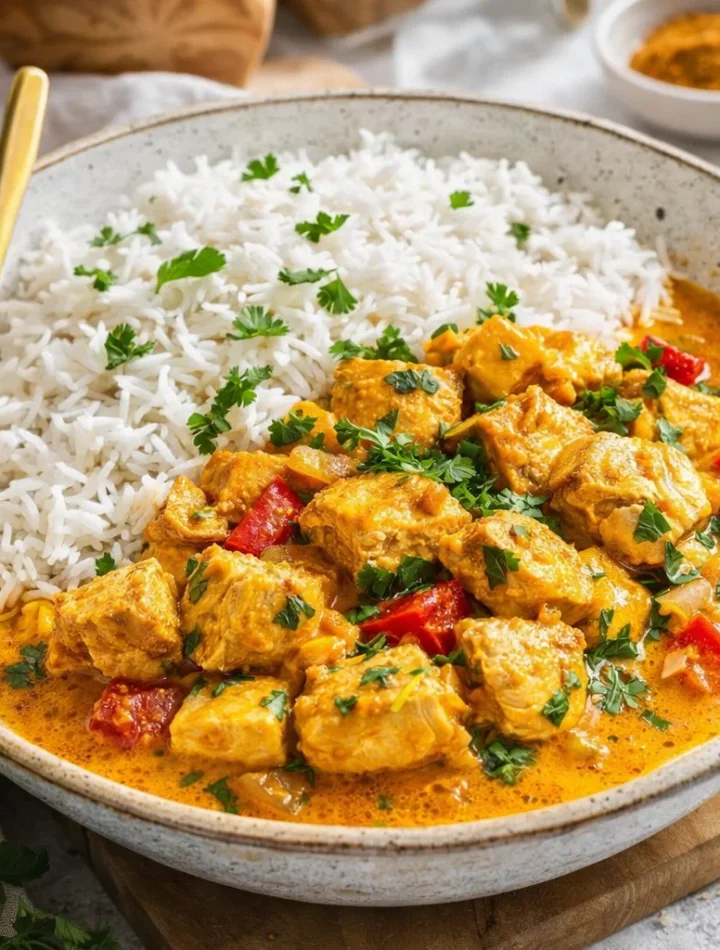
Coconut Chicken Curry: A Tropical Delight
Introduction to Coconut Chicken Curry
If you’re looking for a deliciously comforting meal that doesn’t take hours to prepare, Coconut Chicken Curry is the perfect choice. This dish combines succulent chicken with the creamy richness of coconut milk, aromatic spices, and vibrant vegetables, resulting in a flavor explosion that transports you straight to a tropical paradise.
Not only is this recipe simple and quick to prepare, but it also caters to various dietary needs—it’s naturally gluten-free, can be made low in calories, and is easily adaptable for vegan diets. Recipes using coconut milk often appeal to health-conscious individuals since coconut milk is rich in healthy fats, vitamins, and minerals.
Coconut Chicken Curry is a standout amongst other chicken recipes, making it an ideal selection for busy parents, students, culinary enthusiasts, and everyone in between. Its ease of preparation means you can whip up a delectable meal even on the tightest schedule, while its robust flavors and nutrient-rich ingredients make it suitable for family meals or gatherings. With just one pot needed and a few simple steps, you can enjoy a wholesome dinner that delights the senses without spending hours in the kitchen.
Benefits and Advantages of Coconut Chicken Curry
Coconut Chicken Curry shines not just in flavor but in its many benefits, making it an exceptional choice among homemade chicken recipes. Here are several reasons why you should consider adding this dish to your repertoire:
-
Easy Preparation: One of the standout features of Coconut Chicken Curry is its simplicity. With a prep time of around 15 minutes and a cooking time of about 30 minutes, you can prepare a nutritious meal in under an hour. This makes it perfect for those hectic weeknights when time is of the essence.
-
Health Benefits: Utilizing coconut milk in your cooking offers numerous health advantages. It’s packed with medium-chain triglycerides (MCTs), which can aid in weight management and provide quick energy. Furthermore, the inclusion of fresh vegetables like spinach, bell peppers, or carrots boosts fiber content and essential vitamins, promoting overall health.
-
Versatile and Adaptable: This recipe is incredibly flexible. You can use various proteins such as shrimp or tofu for a vegetarian take, making it a versatile choice for different diets. Plus, the spices used can be adjusted according to personal preferences—add more heat with chili peppers, or keep it milder for kids.
-
Family-friendly and Crowd-pleasing: Coconut Chicken Curry brings flavors that appeal to a wide audience, making it a great dish for family gatherings or potlucks. Everyone from children to seniors can enjoy this dish, which makes it an excellent option for variety in family meals.
-
Excellent Leftover Potential: This curry reheats beautifully, making it a great option for meal prep or perfect for leftovers. You can enjoy it for lunch the next day or freeze it for another time.
In summary, Coconut Chicken Curry is a delightful dish that checks all boxes—ease of preparation, health benefits, versatility, and crowd-pleasing flavors. It truly stands out among chicken recipes, offering everything a busy cook could desire.
Ingredients Overview
Essential Ingredients for Coconut Chicken Curry
Before embarking on your cooking adventure, gather the following essential ingredients. These will not only contribute to the flavors of the curry but may also offer health benefits:
- Chicken Breasts (500g): Skinless, boneless chicken breasts are a lean protein that forms the base of this dish. You can also use thighs for added flavor and moisture.
- Coconut Milk (1 can, 400ml): This creamy base is what makes the curry rich and luscious, providing a hint of sweetness while being dairy-free.
- Vegetable Oil (2 tablespoons): Use any neutral oil like coconut or olive oil for sautéing.
- Onion (1 medium): Chopped finely, onion adds sweetness and depth to the dish.
- Garlic (3 cloves): Minced, garlic infuses robustness into the curry.
- Ginger (1 tablespoon fresh, grated): Ginger adds warmth and enhances the curry’s fragrance.
- Bell Peppers (1 red and 1 green): Sliced bell peppers give color and crunch while contributing vitamins.
- Peas (1 cup, fresh or frozen): Peas add fiber and sweetness, balancing the dish’s flavors.
- Curry Powder (2 tablespoons): A well-rounded spice blend that brings the traditional curry flavor.
- Salt (to taste): Essential for bringing out the flavors of the ingredients.
- Fresh Coriander (for garnish): Adds a refreshing element and beautiful finishing touch.
Dietary Substitutions to Customize Your Coconut Chicken Curry
Here are some suggested substitutions and modifications to enhance this dish according to specific dietary needs or ingredient availability:
- Protein Substitutes: For a vegetarian or vegan version, replace chicken with tofu, chickpeas, or even cauliflower for added texture.
- Coconut Milk Alternative: If coconut milk isn’t your preference, you can opt for almond or cashew milk; however, this will alter the recipe’s creaminess.
- Vegan Option: Ensure the chicken is replaced with plant-based protein, and use vegetable broth instead of chicken broth for added flavor.
- Gluten-Free Requirements: This recipe is naturally gluten-free. Just double-check any store-bought spices or sauces for hidden gluten.
- Reduced Calories: To lower calories, use less oil for cooking, use skinless chicken, and opt for light coconut milk.
With these substitutions, you’ll have a Coconut Chicken Curry that can cater to different dietary preferences without sacrificing flavor.
How to Prepare the Perfect Coconut Chicken Curry: Step-by-Step Guide
Now let’s dive into the step-by-step instructions for preparing your Coconut Chicken Curry. Follow these steps, and you’ll have a delightful dish ready for serving in no time!
-
Prepare the Base: Start by heating 2 tablespoons of vegetable oil in a large skillet or saucepan over medium heat. Once hot, add the finely chopped onion and sauté until it becomes translucent (about 2-3 minutes).
-
Add Garlic and Ginger: Add the minced garlic and grated ginger to the pan. Stir continuously for about a minute until fragrant. This step builds a flavorful base for your curry.
-
Include the Chicken: Cut your chicken breasts into bite-sized pieces and add them to the skillet. Stir to coat the chicken with the oil and aromatics. Cook until the chicken is no longer pink on the outside (approximately 5-7 minutes).
-
Incorporate the Spices: Sprinkle in the 2 tablespoons of curry powder along with salt to taste. Stir well to ensure that the chicken is evenly coated in the spices.
-
Pour in Coconut Milk: Gently pour the coconut milk into the skillet, mixing it well with the chicken and spices. Bring to a simmer, allowing the dish to thicken slightly (about 3-5 minutes).
-
Add Vegetables: Now, add your sliced bell peppers and peas to the curry. This is a perfect opportunity to introduce colorful veggies and additional nutrients. Cook for another 5-7 minutes until the vegetables are tender but still vibrant.
-
Simmer and Thicken: Reduce the heat to low and allow the curry to simmer gently for about 10-15 minutes. This ensures all flavors meld beautifully and the sauce thickens. Adjust seasoning if necessary.
-
Garnish and Serve: To finish, remove the pan from heat. Serve your Coconut Chicken Curry hot, garnished with freshly chopped coriander. Pair it with steamed rice, flatbreads, or quinoa for a fulfilling meal.
This simple, step-by-step approach makes this coconut chicken dish not only accessible but also enjoyable for cooks of all skill levels. Each step highlights how easily the recipe can be tailored to meet diverse dietary needs.
Mastering Coconut Chicken Curry: Advanced Tips and Variations
Once you’ve mastered the basics of Coconut Chicken Curry, you’re already on your way to creating even more delightful variations. Here are some additional tips for success and ways to elevate your recipe:
-
Experiment with Different Spices: Try adding other spices like cinnamon, turmeric, or cumin to introduce a unique flavor profile. Each spice adds its distinct aroma that complements the dish.
-
Add Heat: For spice lovers, consider incorporating chili pepper, red pepper flakes, or sambal oelek to amp up the heat levels. Adjust according to your comfort with spice.
-
Vegetable Variants: Don’t hesitate to include a variety of vegetables such as zucchini, spinach, or sweet potatoes. Each adds different textures and nutritional benefits, making the curry even more wholesome.
-
Richness Factor: If you crave a richer curry, you can blend in a tablespoon of peanut butter or almond butter for an additional layer of flavor and creaminess.
-
Garnishes for Extra Flavor: Beyond fresh coriander, try lime wedges, chopped scallions, or even a dollop of Greek yogurt for creaminess. These garnishes can elevate the dish to new flavor heights.
-
Meal Prep for Convenience: Consider making this dish ahead of time. It keeps well in the refrigerator or freezer, so preparing it in batches can save time on those busy weeknights.
Exploring these variations and enhancing your Coconut Chicken Curry experience will ensure that it never becomes monotonous and serves as a constant favorite in your collection of chicken recipes.
How to Store Coconut Chicken Curry: Best Practices
Knowing how to store your Coconut Chicken Curry properly helps maintain its delicious flavors and texture. Here are some best practices for refrigeration, freezing, and reheating:
-
Refrigeration: Cool the curry to room temperature before transferring it into an airtight container. It can be stored in the fridge for up to 3-4 days. This allows you to enjoy leftovers at your convenience.
-
Freezing: For longer storage, Coconut Chicken Curry can be frozen. Ensure that it is in an airtight container or heavy-duty freezer bags. Label with the date and freeze it for up to 3 months. This is a great option for meal prep enthusiasts.
-
Reheating: To reheat, thaw the curry in the fridge overnight and warm it on the stove over low heat, stirring occasionally. If you find it thickened too much during freezing, adding a splash of water or coconut milk can help restore its original consistency. You can also use a microwave to heat individual portions, ensuring it warms evenly.
By following these best practices, you can enjoy this Coconut Chicken Curry multiple times without compromising on quality.
Nutritional Value of Coconut Chicken Curry
Understanding the nutritional value of Coconut Chicken Curry is vital for diet-conscious individuals. Below are the estimates for a serving size of approximately 1 cup:
- Calories: 350
- Protein: 28g
- Fat: 18g (of which saturated fat may be 15g, primarily from coconut milk)
- Carbohydrates: 20g
- Fiber: 5g
- Sugar: 5g (natural sugars from coconut and veggies)
- Sodium: 400mg (depending on added salt and broth choices)
This dish offers a balance of protein and healthy fats, along with essential vitamins and minerals found in the vegetables. Moreover, its fiber content can aid digestion, making it a well-rounded meal option.
The Coconut Chicken Curry stands out among other chicken recipes not only for its rich flavor but also for its nutritious profile, appealing to those who are health-conscious while providing a fulfilling dining experience.
FAQs: Frequently Asked Questions About Coconut Chicken Curry
Here are some common questions regarding Coconut Chicken Curry to assist you further in your cooking journey:
1. Can I make Coconut Chicken Curry ahead of time?
Absolutely! This dish tastes even better the next day as the flavors meld together. Prepare it in advance, cool it, and store it in the fridge.
2. How can I make the curry spicier?
To increase heat, add red pepper flakes, diced green chilies, or a dash of cayenne pepper during cooking. Adjust quantities to suit your spice preference.
3. Is there a vegan option for this recipe?
Yes! Simply replace the chicken with tofu or chickpeas, and use vegetable broth instead of chicken broth for a delicious vegan version.
4. What can I serve with Coconut Chicken Curry?
Common side dishes for this curry include rice, quinoa, flatbreads, or even a fresh salad. The creaminess of the curry pairs beautifully with these options.
5. How do I store leftovers properly?
Store leftover Coconut Chicken Curry in an airtight container in the fridge for up to 3-4 days, or freeze it for up to 3 months for longer storage.
These FAQs address common concerns and assist in clarifying any doubts you might have while preparing and enjoying your Coconut Chicken Curry. It’s a straightforward recipe that invites variations tailored to personal tastes and dietary needs.
With this guide to Coconut Chicken Curry, you’re fully equipped to create a dish that will impress family and friends alike. This vibrant meal, which showcases the versatility of chicken recipes, encourages culinary creativity while offering robust flavors and health benefits. Whether you’re a novice cook or an experienced chef, this recipe provides a delightful and satisfying dining experience that you will cherish. Enjoy your culinary adventure!