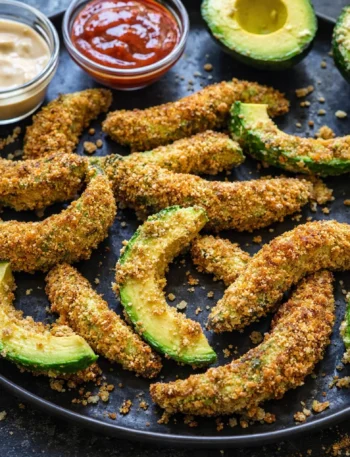
Healthy snacks can make a meaningful difference in the way you feel throughout the day. Instead of reaching for processed foods that leave you hungry again within an hour, choosing wholesome, nutrient-rich snacks helps maintain steady energy, supports overall wellness, and makes healthy eating more enjoyable. When your snacks combine fiber, healthy fats, protein, and natural ingredients, they become more than just a quick bite. They become an important part of a balanced lifestyle that can help you stay satisfied between meals while supporting long-term health goals.
Key Takeaways
- Choose nutrient-dense snacks that provide lasting energy.
- Keep portions reasonable to help manage daily calorie intake.
- Combine protein, fiber, and healthy fats for better fullness.
- Prepare healthy snacks ahead of time for busy schedules.
- Focus on whole foods whenever possible.
Why Healthy Snacks Matter
Many people think snacks automatically lead to overeating, but the opposite can often be true. Smart snacking helps prevent extreme hunger, making it easier to make balanced choices at your next meal. A nutritious snack also supports consistent energy levels throughout the day, especially during busy work schedules or active afternoons.
Important: Healthy snacking is not about eating less. It is about choosing foods that deliver more nutrition per bite while helping you stay comfortably full and energized.
Characteristics of a Smart Snack
Not every low-calorie snack is satisfying. The most effective choices combine several nutritional qualities that work together.
Protein for Lasting Satisfaction
Protein slows digestion and helps reduce hunger between meals. Greek yogurt, cottage cheese, boiled eggs, roasted chickpeas, and nut butter are all excellent additions to a balanced snack.
Fiber Supports Fullness
Fiber-rich foods digest slowly and contribute to better appetite control. Fruits, vegetables, seeds, oats, and whole grains are easy ways to increase fiber without adding excessive calories.
Healthy Fats Add Balance
Healthy fats from foods like walnuts, pumpkin seeds, almonds, avocado, and chia seeds provide important nutrients while helping snacks feel more satisfying.
15 Healthy Snack Ideas Under 100 Calories
- Kiwi slices with a sprinkle of chia seeds.
- Fresh berries served in a small bowl.
- A handful of pomegranate seeds.
- A small serving of walnuts.
- Roasted pumpkin seeds.
- Rice cake topped with mashed avocado.
- A few Brazil nuts.
- Baby carrots with salsa.
- Cucumber slices with herbs.
- Apple slices with cinnamon.
- Frozen grapes.
- Homemade energy bites in small portions.
- Air-popped popcorn without heavy butter.
- Edamame with sea salt.
- Plain Greek yogurt topped with berries.
Expert Insight
Small, balanced snacks often outperform highly processed snack foods because they provide steady energy instead of quick sugar spikes followed by energy crashes. Pairing fiber with protein is one of the simplest ways to stay satisfied longer.
Simple Ingredients That Support Everyday Wellness
Whole foods provide vitamins, minerals, antioxidants, and natural plant compounds that support overall health. Colorful fruits deliver vitamin C and antioxidants, while nuts and seeds contribute healthy fats and important minerals. Avocados add heart-healthy fats, and berries provide naturally sweet flavor with plenty of fiber.
Pro Tip: Building your snack around one fruit or vegetable plus one source of protein or healthy fat creates a balanced combination that is both nutritious and satisfying.
Meal Prep Makes Healthy Snacking Easier
One of the biggest challenges to healthy eating is convenience. Preparing snacks in advance makes nutritious choices just as easy as packaged alternatives.
Easy Meal Prep Ideas
- Wash and portion berries into small containers.
- Slice vegetables ahead of time.
- Pre-portion nuts and seeds.
- Prepare homemade energy bites for the week.
- Store ready-to-eat fruit at eye level in the refrigerator.
Common Healthy Snacking Mistakes
Ignoring Portion Sizes
Nutritious foods are still worth portioning. Even healthy ingredients contain calories, so measuring servings helps maintain balance.
Skipping Protein
Fruit alone is nutritious, but pairing it with yogurt, nuts, or seeds creates a more satisfying snack.
Choosing Highly Processed Alternatives
Many packaged snack foods contain added sugars, sodium, and refined ingredients. Whole foods usually provide more nutrition while helping you feel fuller.
Important: Healthy eating is built on consistency rather than perfection. Making better snack choices most of the time can have a positive impact on your overall eating habits.
Building Better Daily Habits
Healthy snacks work best when they fit naturally into your daily routine. Keep nutritious options visible, prepare them in advance, and listen to your hunger cues. Choosing foods that combine flavor, nutrition, and convenience makes healthy eating sustainable over the long term.
At a Glance
- Choose whole foods whenever possible.
- Include protein, fiber, and healthy fats.
- Keep portions moderate.
- Prepare snacks before busy days.
- Focus on consistency instead of perfection.
Conclusion
Healthy snacks can be simple, delicious, and incredibly satisfying when built around wholesome ingredients. Whether your goal is maintaining energy, supporting mindful eating, or making better food choices throughout the day, nutrient-rich snacks offer an easy way to stay on track. By combining fresh fruits, vegetables, healthy fats, seeds, nuts, and quality protein, you can create flavorful snacks that fit into a balanced lifestyle while helping you feel your best every day.
Tags
Healthy Snacks Low Calorie Snacks Healthy Eating Nutritious Foods Weight Management Meal Prep Clean Eating Wellness