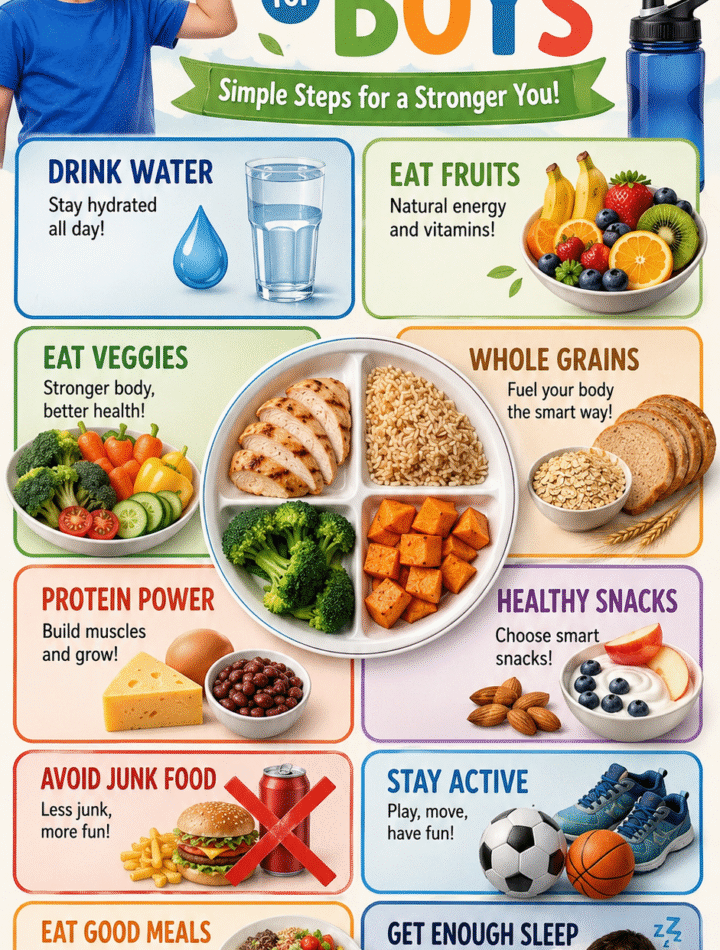
Building healthy eating habits early in life creates a strong foundation for growth, energy, and lifelong wellness. Children need a balanced mix of nutrient-rich foods that support their developing bodies and active minds. By offering colorful fruits, fresh vegetables, wholesome grains, lean proteins, dairy, and healthy snacks every day, parents can encourage positive food choices that become lasting habits. Combined with regular physical activity, proper hydration, and quality sleep, these simple routines help children stay healthy, active, and ready to learn.
Key Takeaways
- Offer balanced meals with foods from every major food group.
- Encourage fruits and vegetables every day.
- Replace sugary drinks with water whenever possible.
- Choose healthy snacks that provide lasting energy.
- Support nutrition with exercise and quality sleep.
- Create positive mealtime routines the whole family can enjoy.
Why Healthy Eating Habits Matter
Healthy recipes are much more than delicious meals. They help children receive the vitamins, minerals, protein, healthy fats, and fiber needed for steady growth and development. Good nutrition also supports concentration, immune health, strong bones, and consistent energy throughout the day.
Important: Consistency is more valuable than perfection. Serving balanced meals regularly helps children develop positive eating habits that can last well into adulthood.
Parents often discover that healthy eating becomes easier when nutritious foods are presented in colorful, fun, and appealing ways. Offering a variety of options encourages children to explore new flavors while ensuring they receive a broad range of nutrients.
The Building Blocks of a Balanced Plate
A balanced plate provides nutrients from multiple food groups instead of focusing on a single ingredient. This approach creates satisfying meals while supporting healthy growth.
Lean Protein
Protein helps build muscles and supports growing bodies. Excellent choices include:
- Chicken
- Eggs
- Beans and lentils
- Fish
- Turkey
- Greek yogurt
Colorful Vegetables
Vegetables provide fiber, antioxidants, and essential vitamins. Broccoli, spinach, carrots, peas, tomatoes, and bell peppers all contribute valuable nutrition. Including different colors throughout the week increases nutrient variety.
Healthy Carbohydrates
Whole grains provide lasting energy for active children. Brown rice, whole grain bread, oatmeal, quinoa, and whole wheat pasta are nutritious alternatives to heavily refined grains.
Fresh Fruit
Fruit naturally satisfies sweet cravings while supplying vitamins, minerals, hydration, and fiber. Apples, bananas, berries, oranges, grapes, and pears make excellent everyday choices.
Dairy or Dairy Alternatives
Milk, yogurt, and fortified dairy alternatives provide calcium, vitamin D, and protein that help support healthy bones and teeth.
Expert Insight
Creating balanced meals does not require complicated recipes. Combining lean protein, vegetables, whole grains, fruit, and a healthy beverage is often enough to provide a nutritious and satisfying meal.
Healthy Snack Ideas for Growing Kids
Smart snacks help maintain energy between meals without relying on highly processed foods. Nutritious snacks can also increase daily intake of protein, fiber, and healthy fats.
- Banana with yogurt
- Apple slices with nut butter
- Fresh berries and cottage cheese
- Mixed nuts for older children without allergy concerns
- Whole grain crackers with cheese
- Homemade trail mix
- Vegetable sticks with hummus
- Greek yogurt topped with fresh fruit
Pro Tip: Preparing healthy snacks in advance makes nutritious choices much easier during busy school days and after-school activities.
Encourage Water Throughout the Day
Water is essential for hydration, digestion, body temperature regulation, and overall health. Children who stay hydrated often maintain better focus and energy levels during school and physical activities.
Simple ways to encourage water include carrying reusable water bottles, serving water during meals, and adding slices of fresh fruit for natural flavor.
Limit Sugary Drinks and Highly Processed Foods
While occasional treats can fit into a balanced lifestyle, regularly choosing sugary beverages, soda, candy, and heavily processed snacks may reduce overall nutritional quality.
Instead, focus on wholesome alternatives such as:
- Fresh fruit instead of candy
- Water instead of soda
- Homemade popcorn instead of chips
- Whole grain snacks instead of refined pastries
- Natural yogurt instead of sugar-heavy desserts
Healthy Meals Become Family Habits
Children often learn by watching the adults around them. Family meals create opportunities to introduce healthy recipes, practice portion awareness, and enjoy meaningful conversations without distractions.
Inviting children to help wash vegetables, stir ingredients, or arrange fruit on a plate also encourages excitement about healthy foods. Even small cooking tasks help build confidence and curiosity.
Simple Family Meal Ideas
- Grilled chicken with brown rice and steamed broccoli.
- Whole wheat pasta with vegetables and lean turkey.
- Vegetable omelet served with whole grain toast.
- Baked fish with roasted vegetables.
- Rice bowls with beans, vegetables, and grilled chicken.
Important: Healthy eating works best when the entire family participates. Children are more likely to enjoy nutritious foods when they see parents and siblings making similar choices.
Physical Activity Completes a Healthy Lifestyle
Nutrition and movement work together. Daily physical activity supports healthy muscles, bones, coordination, and cardiovascular health while helping children develop confidence through play.
Encourage activities such as:
- Running outdoors
- Playing soccer
- Riding bicycles
- Swimming
- Dancing
- Family walks
- Playground games
The Importance of Restful Sleep
Nutrition alone cannot support healthy development without adequate sleep. A consistent bedtime routine helps children wake refreshed and ready for school, learning, and active play.
Reducing screen time before bed, maintaining regular sleep schedules, and creating a calm bedtime environment all contribute to better sleep quality.
Easy Ways to Build Healthy Habits Every Day
- Serve vegetables with lunch and dinner.
- Keep fresh fruit within easy reach.
- Offer water first when children are thirsty.
- Plan balanced meals ahead of time.
- Prepare healthy snacks for busy days.
- Eat together as often as possible.
- Encourage outdoor play every day.
- Maintain a consistent bedtime routine.
Quick Points
- Balance every meal with protein, vegetables, grains, and fruit.
- Healthy snacks help maintain steady energy.
- Water, exercise, and sleep support overall wellness.
- Family routines encourage lifelong healthy habits.
Conclusion
Healthy recipes and balanced eating habits give children the nutrition they need to grow, learn, and stay active every day. By choosing wholesome ingredients, serving colorful meals, encouraging water instead of sugary drinks, and supporting healthy routines with physical activity and quality sleep, families can create positive habits that last for years. Small improvements made consistently often have the greatest impact. Every healthy meal, nutritious snack, and active day contributes to a stronger, healthier future.
Tags
Healthy Recipes Kids Nutrition Healthy Eating Balanced Meals Family Meals Healthy Snacks Child Wellness Healthy Lifestyle