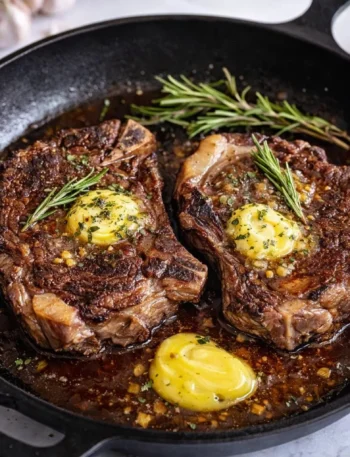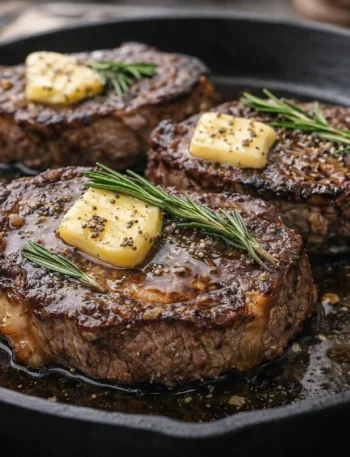
Steak Cooking Chart Guide: A Tropical Delight
Introduction to Steak Cooking Chart Guide
Are you ready to take the plunge into the world of steak cooking? Welcome to our steak cooking chart guide, where flavor meets simplicity. If you’re searching for delightful dinner recipes that cater to various tastes and dietary needs, you’ve come to the right place. This guide is designed for everyone—from busy parents looking for quick meal solutions to seniors seeking nutritious options. Steak is not just a luxurious dinner; it’s versatile and can fit perfectly into any culinary routine.
Cooking steak can be perceived as a daunting task; however, with this comprehensive guide, you’ll soon discover it’s simple and quick! Not only is steak a rich source of protein and essential nutrients, but it can also align with various dietary preferences. Whether you’re looking to whip up a gluten-free meal for your friends or need a low-calorie option, our guide ensures you’ll arrive at a delicious outcome without the fuss. What’s more? We’ve made it easy to adapt the cooking techniques for both novice cooks and seasoned chefs.
Get ready to transform your dinner table with deliciously cooked steak that will impress family and friends alike. Whether you’re grilling, pan-searing, or broiling, our steak cooking chart will guide you through the journey to culinary perfection.
Benefits and Advantages of Steak Cooking Chart Guide
The steak cooking chart guide excels in various ways, making it a top choice for dinner recipes. Here are some key benefits that stand out:
1. Ease of Preparation
Preparing steak does not have to be complicated. The beauty of our steak cooking chart lies in its simplicity. With just a few basic ingredients and straightforward techniques, you’ll have a mouth-watering steak ready in no time. This accessibility makes the recipe perfect for busy parents or working professionals who may not have hours to spend in the kitchen.
2. Health Benefits
Steak is naturally nutrient-rich, offering an abundance of protein, iron, and vitamins such as B12. Including lean cuts of steak in your dinner recipes not only satisfies your hunger but also supports muscle health, energy levels, and overall well-being. Cooking methods outlined in our guide ensure that you retain the essential nutrients while avoiding excessive fats.
3. Versatility
One of the greatest advantages of following a steak cooking chart is the versatility it offers. You can vary the seasonings, marinades, and cooking methods to cater to any flavor preference or dietary requirement. For instance, if you’re looking for a low-carb option, you can simply serve your steak with a side of roasted vegetables instead of bread.
4. Suitable for Various Dietary Needs
Whether you’re vegan, vegetarian, gluten-free, or simply health-conscious, our adaptable guide has you covered. With suggested alternatives for every step, your dinner recipe can accommodate everyone at the table, ensuring no one feels left out when it comes to enjoying a hearty meal.
5. Time-Efficient
Time is often a constraint for many cooks, from students to busy parents. The straightforward nature of our steak cooking chart helps streamline the cooking process, allowing you to spend more time enjoying the meal and less time preparing it. Many recipes can be completed in under thirty minutes, making them excellent for rushed weeknight dinners.
Ingredients Overview
Essential Ingredients for Steak Cooking Chart Guide
Creating a delicious steak dinner starts with the right ingredients. Here’s what you will need, along with suggested measurements:
- Steak (1-2 lbs):
- Cuts: Ribeye, sirloin, filet mignon, or flank
- Source of protein and healthy fats
- Olive Oil (2 tablespoons):
- Used for marinating and cooking; adds flavor and moisture
- Salt (1 tablespoon):
- Enhances the steak’s natural flavors
- Freshly Ground Black Pepper (1 teaspoon):
- Complements the richness of the meat
- Garlic (2 cloves, minced) or Garlic Powder (1 teaspoon):
- Adds depth and richness
- Herbs and Spices (optional):
- Rosemary, thyme, paprika, or chili powder for flavor variations
- Vegan/Gluten-Free Option:
- Use plant-based steak alternatives, such as seitan or portobello mushrooms, and substitute soy sauce for gluten-free tamari.
Dietary Substitutions to Customize Your Steak Cooking Chart Guide
Not everyone may have the same palette or dietary restrictions, which is why customization is key. Here are a few substitutions you can make to suit various needs:
- Different Cuts of Steak:
- If ribeye is too fatty, consider a leaner cut like sirloin or flank steak.
- Alternative Oils:
- Instead of olive oil, you can use avocado oil or ghee for a different flavor profile.
- Flavor Enhancements:
- For a milder taste, you can use shallots or parsley instead of garlic.
- Non-Dairy Alternatives:
- If you’re avoiding dairy, opt for coconut milk or almond-based sauces in your side dishes.
- Herb Swap:
- Customize the herbs used based on what’s available. For example, swapping rosemary for Italian seasoning can yield a different yet delightful twist.
How to Prepare the Perfect Steak Cooking Chart Guide: Step-by-Step Guide
Cooking the perfect steak is a rewarding endeavor. Follow these step-by-step instructions to achieve mouth-watering results that will become a staple among your dinner recipes.
- Choose the Right Cut:
-
Start by selecting the cut that suits your taste and desired cooking time. For a juicy and tender steak, ribeye is ideal; for a lean option, go with sirloin.
-
Season Generously:
-
Pat your steak dry with paper towels to remove excess moisture. Rub the surface with olive oil, followed by salt, pepper, and any desired spices or herbs.
-
Let it Rest:
-
Allow the seasoned steak to sit at room temperature for about 30 minutes. Resting helps the meat cook more evenly.
-
Preheat Your Cooking Surface:
-
Choose between grilling, frying, or broiling. Preheat your grill to a high temperature or heat your skillet over medium-high heat for uniform cooking.
-
Cook the Steak:
-
Place the steak on the grill or skillet, keeping it undisturbed for around 4-5 minutes for a medium-rare finish. Adjust times for rare (3-4 minutes) or well-done (6-7 minutes).
-
Flip and Cook:
-
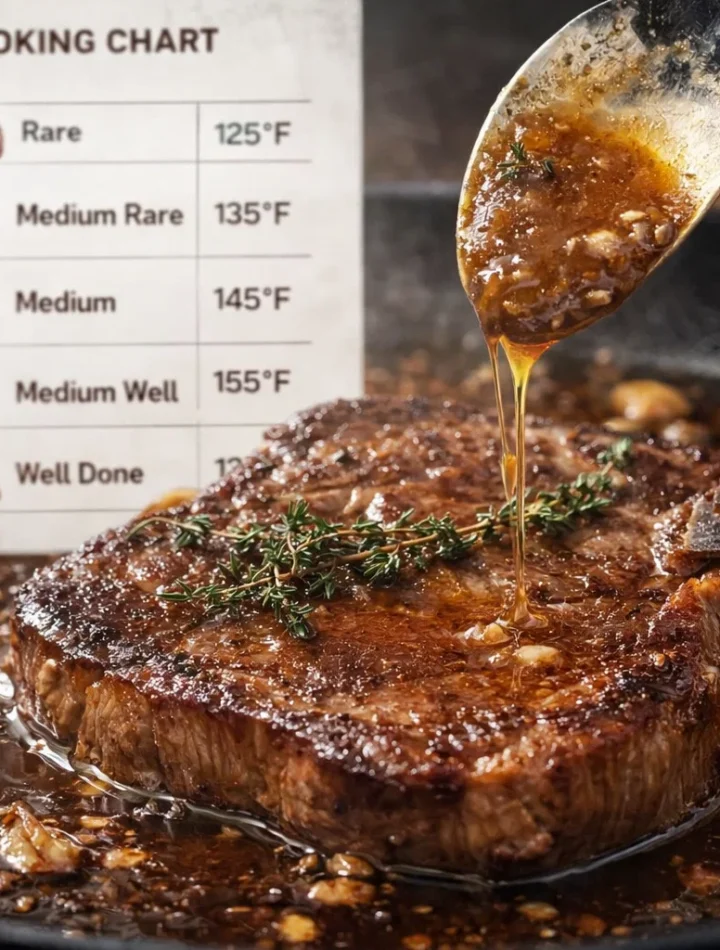
Flip the steak using tongs and cook for an additional 3-5 minutes, depending on your desired doneness. Use a meat thermometer for precise readings: 130°F for medium-rare, 145°F for medium, and 160°F for well-done.
-
Rest Again:
-
Once cooked to your liking, transfer your steak to a plate and cover it with foil. Let it rest for at least 5-10 minutes. Resting allows the juices to redistribute throughout the meat.
-
Slice and Serve:
-
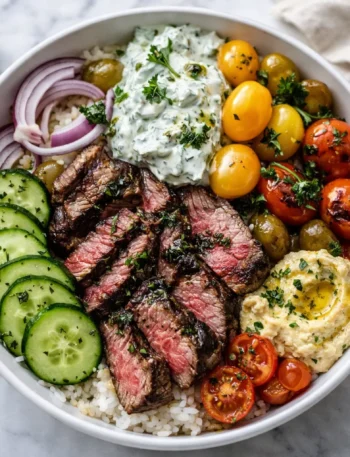
Finally, slice the steak against the grain to enhance tenderness. Serve it with your choice of side dishes like roasted vegetables, mashed potatoes, or a fresh salad.
-
Optional Sauces:
-
Top with chimichurri or your favorite steak sauce for an extra kick of flavor!
-
Enjoy the Experience:
- Savor every bite of your perfectly cooked steak. Share it with family and friends or savor a quiet meal yourself; either way, you’ve created a winner.
Mastering Steak Cooking Chart Guide: Advanced Tips and Variations
To elevate your steak cooking skills further, consider these advanced tips and variations:
- Marinate for Depth:
-
Marinating your steak overnight can infuse it with additional flavors. Use a simple marinade of soy sauce, vinegar, and garlic, or explore the world of spices.
-
Experiment with Cooking Methods:
-
Try reverse searing for an evenly cooked steak. Start cooking it in the oven and finish on the grill for a perfectly caramelized crust.
-
Use a Meat Thermometer:
-
Investing in a quality meat thermometer can take the guesswork out of cooking steak. Perfectly cooked steak is only a few degrees away from being overdone!
-
Pair with Appropriate Sides:
-
Match your steak with sides that balance its richness. A tangy salad or roasted vegetables can compliment the meat beautifully.
-
Try Different Cuts:
-
Don’t limit yourself to the same cut of steak every time. Exploring flank, chuck eye, and skirt steak can introduce new flavors and textures.
-
Cooking Techniques:
- Master the art of seasoning by experimenting with dry rubs or finishing with coarse sea salt for an added texture contrast.
How to Store Steak Cooking Chart Guide: Best Practices
Knowing how to properly store your cooked steak can extend its shelf life and maintain quality:
- Refrigeration:
-
Allow your steak to cool completely before storing. Wrap it tightly in plastic wrap or aluminum foil, or use an airtight container. Stored properly, cooked steak can last for 3-4 days in the refrigerator.
-
Freezing:
-
If you want to preserve your steak for a longer period, consider freezing it. Wrap it tightly in plastic wrap, and then place it in a freezer bag, removing as much air as possible. Frozen steak can last up to 6 months.
-
Reheating:
- To reheat, try placing your steak in a skillet over low heat until warmed through, or use an oven set to a low temperature (around 250°F) to prevent further cooking.
Nutritional Value of Steak Cooking Chart Guide
When evaluating your delicious steak dinner recipes, understanding the nutritional components is essential:
- Calories:
-
Depending on the cut, a typical 3-ounce serving of cooked steak ranges between 200-300 calories.
-
Protein:
-
Steak is a fantastic source of protein, providing approximately 22-28 grams per serving, making it suitable for muscle growth and repair.
-
Fat:
-
The fat content varies by cut; ribeye has higher fat (22 grams) compared to sirloin (15-18 grams), but it also contributes to flavor.
-
Iron:
-
Steak is an excellent source of heme iron, with a single serving providing about 2.5-3 milligrams, essential for red blood cell production and energy levels.
-
Vitamins:
-
Steak is rich in B vitamins, particularly B12, which can improve energy and brain health.
-
Serving Suggestions:
- Pairing your steak with a variety of colorful vegetables can enrich your meal with vitamins, minerals, and dietary fiber.
FAQs: Frequently Asked Questions About Steak Cooking Chart Guide
1. How do I know when my steak is done cooking?
Using a meat thermometer is the best way to know! Look for 130°F for medium-rare, 145°F for medium, and 160°F for well-done.
2. Can I use frozen steak?
Yes! While fresh is preferred, frozen steaks can yield excellent results. Just ensure they are thawed properly in the fridge before cooking.
3. What’s the difference between grilling and pan-searing steak?
Grilling imparts a smoky flavor and creates grill marks, while pan-searing allows for a tremendous crust and more control over cooking.
4. What are some good sides for steak?
Popular sides include roasted vegetables, mashed potatoes, crispy fries, or a fresh salad to balance the dish.
5. Can I marinate the steak overnight?
Marinating overnight can intensify flavors, but if you’re short on time, even 30 minutes can produce great results!
6. How can I make my steak more tender?
Choose quality cuts of steak and avoid overcooking to maintain tenderness; marinating can also help break down tougher fibers.
In conclusion, the steak cooking chart guide empowers anyone wanting to dive into the world of delicious and nutritious dinner recipes. With clear instructions, versatile ingredients, and dietary adaptations, you can create a satisfying meal at your table. Happy cooking!