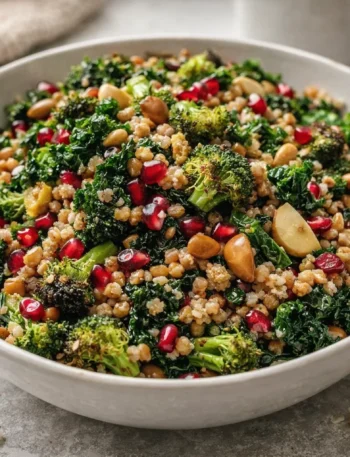
Strong bones are the foundation of an active, healthy life. While exercise and healthy habits play an important role, nutrition is one of the biggest factors influencing bone strength throughout every stage of life. Eating a balanced diet filled with essential vitamins, minerals, and protein-rich foods helps your body build, maintain, and repair bone tissue naturally.
The key to long-term bone health is not relying on a single nutrient. Instead, several nutrients work together to improve bone density, support calcium absorption, strengthen connective tissues, and maintain overall skeletal health. By including nutrient-rich foods in your daily meals, you can support healthy bones while enjoying delicious, wholesome recipes.
Key Takeaways
- Bone health depends on multiple nutrients working together.
- Calcium and vitamin D are essential but not the whole story.
- Magnesium, phosphorus, boron, and collagen also contribute to strong bones.
- Whole foods provide the best combination of nutrients.
- Balanced meals and healthy recipes make it easier to meet daily nutrition goals.
Why Nutrition Matters for Bone Health
Bones are living tissues that constantly break down and rebuild. Throughout childhood and early adulthood, your body builds bone faster than it loses it. As people age, maintaining bone density becomes increasingly important. A nutrient-rich diet helps support this ongoing remodeling process.
Important: Building stronger bones is not about one “superfood.” Consistently eating a variety of nutrient-rich foods provides the vitamins, minerals, and proteins your body needs to maintain healthy bones over time.
1. Calcium: The Building Block of Strong Bones
Calcium is the primary mineral found in bones and teeth. Your body depends on a steady supply of calcium to maintain bone strength. When dietary intake is too low, calcium may be drawn from your bones to support other essential functions.
Excellent Food Sources
- Milk
- Cheese
- Yogurt
- Kale
- Sardines
- Sesame seeds
Adding dairy products, leafy greens, and calcium-rich seafood to healthy recipes is one of the easiest ways to support your daily intake.
2. Vitamin D3: Helping Your Body Use Calcium
Vitamin D supports calcium absorption in the digestive system. Even if your diet contains enough calcium, your body needs adequate vitamin D to use it effectively.
Foods Rich in Vitamin D
- Fatty fish
- Egg yolks
- Fortified dairy products
- Fortified beverages
Many people also obtain vitamin D through safe sun exposure, although dietary sources remain an important part of a balanced eating plan.
Expert Insight
Calcium and vitamin D work as partners. Including foods that provide both nutrients in the same meal is an easy way to support healthy bone maintenance as part of a balanced diet.
3. Vitamin K2 and Bone Support
Vitamin K2 helps regulate how calcium is used within the body. It contributes to normal bone metabolism and works alongside other nutrients involved in maintaining healthy bones.
Natural Sources
- Natto
- Hard cheeses
- Grass-fed butter
Including fermented foods and quality dairy products can help diversify your nutrient intake.
4. Magnesium Supports Bone Structure
Magnesium participates in hundreds of biochemical reactions throughout the body, including those involved in maintaining healthy bones. It also supports normal muscle and nerve function.
Foods High in Magnesium
- Almonds
- Pumpkin seeds
- Dark chocolate
- Spinach
- Beans
Pro Tip: Sprinkle pumpkin seeds over salads, oatmeal, or yogurt for an easy magnesium boost without changing your favorite meals.
5. Phosphorus Works Together with Calcium
Phosphorus is another important mineral naturally present in bones. It combines with calcium to support the mineral structure that gives bones their strength.
Common Sources
- Fish
- Chicken
- Lean meats
- Dairy products
- Lentils
- Nuts
Most balanced diets naturally include phosphorus through a variety of whole foods.
6. Boron: A Small Mineral with Big Benefits
Boron is a trace mineral found naturally in many plant foods. While needed only in small amounts, it complements other nutrients involved in healthy bone metabolism.
Food Sources
- Prunes
- Raisins
- Avocados
- Mixed nuts
Adding dried fruits and healthy fats to snacks can increase nutritional variety while supporting overall wellness.
7. Collagen Supports Bone Flexibility
Collagen forms part of the structural framework inside bones. It contributes to flexibility and provides the foundation on which minerals are deposited.
Collagen-Friendly Foods
- Bone broth
- Egg whites
- Vitamin C rich fruits
- Citrus fruits
- Berries
- Bell peppers
Vitamin C supports normal collagen production, making fruits and vegetables an important part of healthy recipes for bone wellness.
Simple Healthy Recipes That Support Bone Health
- Greek yogurt topped with berries, almonds, and pumpkin seeds.
- Grilled salmon served with roasted broccoli and quinoa.
- Kale salad with sesame seeds, avocado, and grilled chicken.
- Vegetable omelet made with spinach and cheese.
- Lentil soup paired with whole grain bread.
- Fruit smoothie with fortified milk, yogurt, and citrus fruit.
Important: Consistency matters more than perfection. Choosing nutrient-dense meals most days of the week can help support long-term bone health while making healthy eating enjoyable and sustainable.
Lifestyle Habits That Complement Healthy Nutrition
- Stay physically active with weight-bearing exercises.
- Include strength training in your weekly routine.
- Maintain a balanced diet rich in colorful whole foods.
- Stay hydrated throughout the day.
- Avoid excessive intake of highly processed foods.
- Get adequate sleep to support overall wellness.
Quick Points
- Eat a variety of calcium-rich foods every day.
- Pair calcium with vitamin D for better absorption.
- Include magnesium, phosphorus, boron, and collagen-supporting foods.
- Choose balanced meals built around whole ingredients.
- Healthy habits and nutritious recipes work best together.
Conclusion
Strong bones are supported by a combination of smart nutrition, healthy lifestyle habits, and consistent food choices. Rather than focusing on a single nutrient, aim to build meals that include calcium, vitamin D, vitamin K, magnesium, phosphorus, boron, collagen-supporting foods, and plenty of fruits and vegetables.
Whether you are preparing breakfast, lunch, dinner, or snacks, small improvements in your daily recipes can add up over time. By enjoying wholesome ingredients and maintaining a balanced eating pattern, you can support bone health naturally while creating delicious meals the entire family will enjoy.
Tags
Healthy Recipes Bone Health Calcium Foods Vitamin D Magnesium Healthy Eating Nutrition Wellness