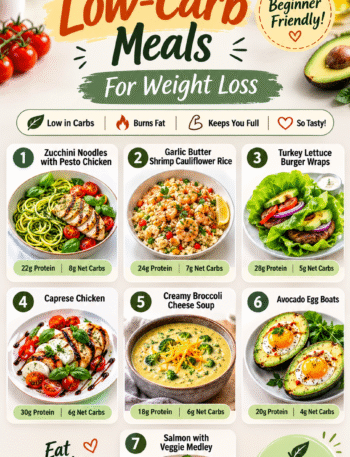
Supporting hormone health starts with the everyday foods on your plate. A balanced eating pattern that includes healthy fats, mineral-rich foods, colorful vegetables, quality protein, and essential vitamins can help provide the nutrients your body needs for normal hormone production and overall wellness. These healthy recipes and nutrition ideas focus on seven important nutrients: healthy fats, magnesium, zinc, selenium, vitamin D, iodine, and B vitamins.
Key Takeaways
- Healthy fats support normal hormone production and help create satisfying meals.
- Magnesium, zinc, and selenium are important minerals found in a variety of whole foods.
- Vitamin D and iodine play important roles in normal body functions, including hormone-related processes.
- B vitamins help support energy metabolism and normal nervous system function.
- A varied diet is generally more useful than focusing on one single “hormone-balancing” food.
Why Nutrient-Rich Healthy Recipes Matter for Hormone Health
Hormones influence many everyday processes, including metabolism, reproduction, stress responses, growth, and energy regulation. Because the body needs specific nutrients to carry out countless biological processes, the quality and variety of your diet can contribute to overall wellness. This does not mean that one ingredient can instantly “balance” hormones. Instead, a consistent pattern of nourishing meals can help support the body’s normal functions.
That is why healthy recipes built around whole foods are such a practical choice. A meal containing vegetables, protein, healthy fats, whole-food carbohydrates, nuts, seeds, or seafood can provide a broader range of nutrients than a highly repetitive diet. The goal is not perfection. The goal is to create simple meals that make nutritious eating easier to maintain.
Important: Think of hormone-supportive nutrition as a long-term eating pattern rather than a quick fix. A balanced diet, adequate sleep, regular movement, stress management, and appropriate medical care all contribute to overall well-being.
1. Healthy Fats for Satisfying, Balanced Meals
Healthy fats are one of the most versatile additions to healthy recipes. Avocado, olive oil, nuts, seeds, and fatty fish can add flavor, texture, and staying power to meals. Dietary fat is also involved in many important functions throughout the body, making it a valuable part of a balanced eating pattern.
For an easy breakfast, add avocado to whole-grain toast with eggs. At lunch, drizzle olive oil over a colorful salad or roasted vegetables. For dinner, serve salmon with vegetables and a grain such as quinoa or brown rice. Nuts and seeds can also be sprinkled over yogurt, oatmeal, salads, or grain bowls.
Easy Healthy Fat Ideas
- Use extra-virgin olive oil in homemade dressings.
- Add avocado to salads, wraps, bowls, and toast.
- Include nuts or seeds as a crunchy topping.
- Enjoy fish as part of a varied weekly meal plan.
2. Magnesium-Rich Foods for Everyday Nutrition
Magnesium is a mineral found in foods such as dark chocolate, almonds, spinach, seeds, beans, and other plant foods. Including a range of magnesium-containing ingredients can make meals more nutrient-dense while also adding variety.
Try a spinach and egg breakfast, a bean and vegetable bowl for lunch, or a dinner salad topped with pumpkin seeds and almonds. A small portion of dark chocolate can also fit into a balanced eating pattern. These simple combinations show how healthy recipes can include nutrient-rich foods without becoming complicated.
Magnesium-rich ingredients are especially easy to add to meals because they work in both sweet and savory recipes. Blend leafy greens into a smoothie, stir seeds into overnight oats, or add beans to soups and salads for a satisfying boost of plant-based nutrition.
3. Zinc Foods to Add More Variety to Your Plate
Zinc is found in foods such as oysters, pumpkin seeds, beef, chickpeas, and other protein-rich ingredients. It is an important nutrient that supports normal immune function and many processes within the body. A varied diet can help you include zinc from both animal and plant-based sources.
For a simple meal, build a chickpea salad with leafy greens, vegetables, olive oil, and a flavorful dressing. Pumpkin seeds make a delicious topping for soups, salads, and grain bowls. If you enjoy seafood or meat, these can also be included in balanced meals alongside vegetables and whole-food carbohydrates.
Simple Ways to Use Zinc-Rich Ingredients
- Sprinkle pumpkin seeds over salads or roasted vegetables.
- Add chickpeas to soups, wraps, and grain bowls.
- Pair protein-rich foods with colorful vegetables.
- Rotate different sources throughout the week for more dietary variety.
Why This Matters
The most practical approach to nutrient-focused eating is variety. Instead of relying on a single “superfood,” combine different food groups across the day. A plate with vegetables, a protein source, healthy fats, and a satisfying carbohydrate can create a more balanced foundation for everyday nutrition.
4. Selenium Sources for a Nutrient-Dense Diet
Selenium can be found in foods such as Brazil nuts, tuna, eggs, and sunflower seeds. These ingredients can be incorporated into simple healthy recipes that work for breakfast, lunch, or dinner.
Eggs are an easy addition to a breakfast bowl or vegetable scramble. Tuna can be used in salads or simple protein-packed lunches. Sunflower seeds add texture to leafy green salads, while Brazil nuts can be enjoyed in moderation as part of a varied diet.
Pro Tip: More is not always better with nutrients. Build variety into your meals and avoid assuming that large amounts of a single food are automatically healthier. Balanced portions and a diverse diet are the more sustainable approach.
5. Vitamin D Foods and Everyday Meal Ideas
Vitamin D is associated with foods such as fatty fish, egg yolks, and certain fortified foods. Including these options in healthy recipes can help add variety to your weekly meal plan. Salmon, tuna, and other fish can be served with roasted vegetables, leafy greens, or whole grains for a complete and satisfying meal.
Eggs are another flexible ingredient. Make a vegetable omelet, prepare a simple egg bowl, or add hard-boiled eggs to a salad. Fortified foods may also be part of some people’s eating patterns. Individual nutritional needs vary, so anyone concerned about vitamin D intake should discuss personal needs with a qualified healthcare professional.
6. Iodine-Rich Foods and Balanced Eating
Iodine is associated with foods such as seaweed, fish, dairy products, and iodized salt. It is an essential nutrient involved in thyroid hormone production. Because dietary needs differ between individuals, it is best to focus on a balanced approach rather than adding large amounts of one particular food.
Seafood can be paired with vegetables and grains for a nourishing dinner. Dairy foods may be included in breakfasts, snacks, or sauces, depending on personal preferences. When cooking at home, using iodized salt in appropriate amounts can be one way some people include iodine in their diet.
A Practical Approach to Iodine
Healthy recipes do not need to be complicated to be nutrient-conscious. A simple fish dinner, a yogurt-based breakfast, or a balanced meal with vegetables and a protein source can fit into an overall varied eating pattern.
7. B Vitamins for Energy-Focused Healthy Recipes
B vitamins are found across a wide range of foods, including eggs, leafy greens, legumes, and meat. These nutrients are involved in important processes such as energy metabolism, which makes B-vitamin-containing foods a valuable part of everyday meals.
Start the day with eggs and sautéed greens. Prepare a lentil or bean bowl for lunch. Add leafy vegetables to soups, pasta dishes, or grain bowls. If you eat meat, it can be included alongside vegetables and other nutrient-rich foods as part of a varied diet.
The best healthy recipes often make it easy to combine several nutrient sources at once. For example, a bowl with leafy greens, chickpeas, pumpkin seeds, avocado, and a simple olive oil dressing can bring together multiple food groups in one colorful meal.
How to Build Hormone-Supportive Healthy Recipes
Rather than searching for one perfect ingredient, use a simple meal-building formula. Begin with a protein source, add plenty of colorful vegetables, include a source of healthy fat, and choose a satisfying carbohydrate when desired. Then add herbs, spices, seeds, or a flavorful dressing to make the meal enjoyable.
- Choose a protein: Consider eggs, fish, legumes, poultry, meat, or another preferred source.
- Add colorful produce: Leafy greens, cruciferous vegetables, tomatoes, carrots, and other vegetables bring variety to the plate.
- Include healthy fats: Try avocado, olive oil, nuts, or seeds.
- Finish with flavor: Use herbs, spices, citrus, garlic, or a homemade dressing.
Important: A nutrient-rich diet should support your lifestyle, not make it more stressful. Choose healthy recipes that are practical, enjoyable, and easy enough to prepare consistently.
Simple Meal Ideas to Try This Week
Creating a weekly rotation can make healthy eating easier. For breakfast, try eggs with spinach and avocado or yogurt topped with nuts and seeds. For lunch, prepare a chickpea and leafy green salad with olive oil dressing. For dinner, serve salmon or another fish with roasted vegetables and a satisfying grain.
Snacks can also contribute to overall variety. A handful of nuts, seeds with fruit, or a simple yogurt bowl can be convenient options. The key is to think about the entire day rather than judging a single meal.
Meal Planning Tips
- Prepare a batch of roasted vegetables for several meals.
- Keep nuts and seeds available for quick toppings.
- Cook a protein source ahead of time for easy lunches.
- Use different herbs and dressings to keep simple meals interesting.
Quick Points
- Build meals around variety, not one miracle ingredient.
- Include healthy fats, protein, vegetables, and nutrient-rich foods regularly.
- Rotate food sources to make your diet more diverse.
- Choose recipes that are realistic for your routine.
Conclusion: Make Healthy Recipes Part of Your Everyday Routine
Healthy recipes can be a simple and enjoyable way to bring more essential nutrients into your daily eating pattern. The seven nutrients highlighted here, including healthy fats, magnesium, zinc, selenium, vitamin D, iodine, and B vitamins, are found across a wide range of foods. By combining vegetables, protein sources, nuts, seeds, seafood, eggs, legumes, and other whole foods, you can create meals that are both satisfying and nutrient-rich.
Supporting overall hormone health is not about finding one perfect food or following a restrictive menu. It is about building consistent habits that provide variety and nourishment over time. Start with one simple change, such as adding leafy greens to breakfast, topping a salad with seeds, or planning a fish and vegetable dinner. Small choices can make healthy eating feel more natural and sustainable.
Explore new healthy recipes, keep your meals colorful, and focus on creating a balanced pattern that works for you. When nutritious food becomes enjoyable and practical, it becomes much easier to make it part of everyday life.
Tags
Healthy Recipes Hormone Health Nutrient Rich Foods Healthy Eating Balanced Nutrition Healthy Meal Ideas Wellness Recipes